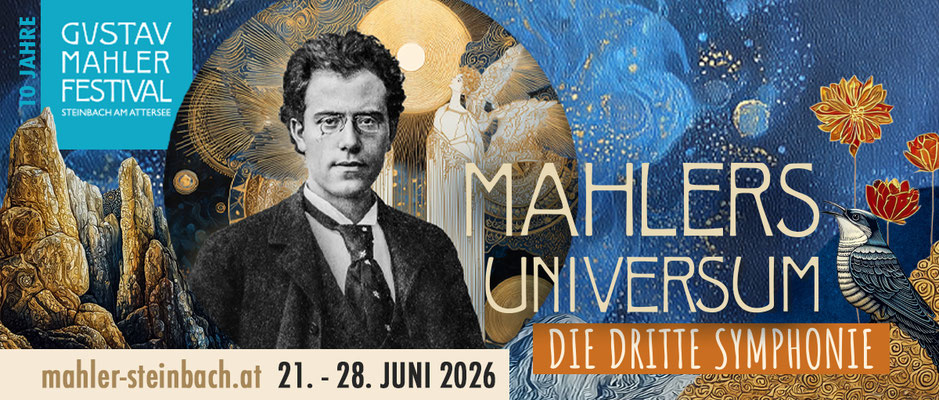
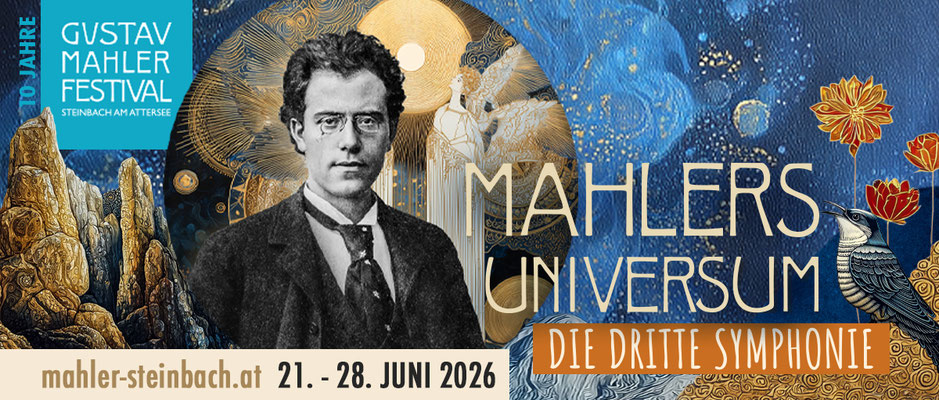
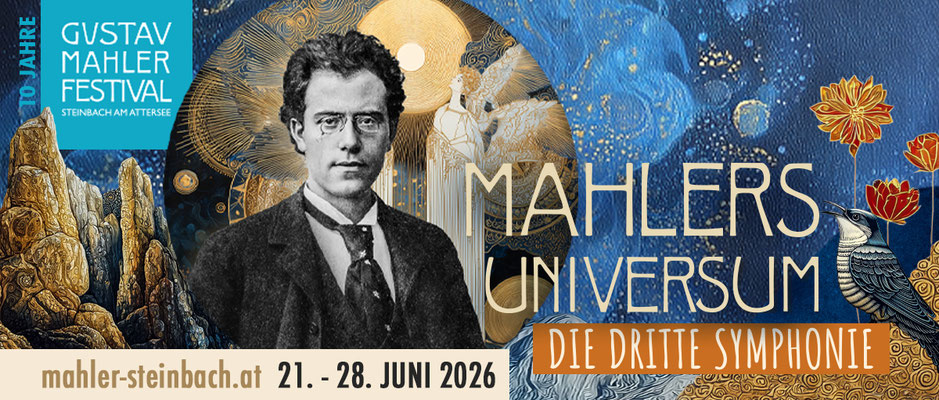
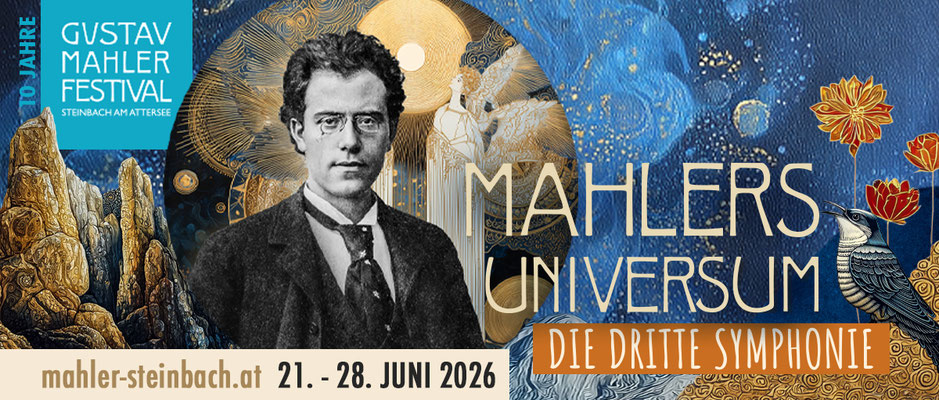
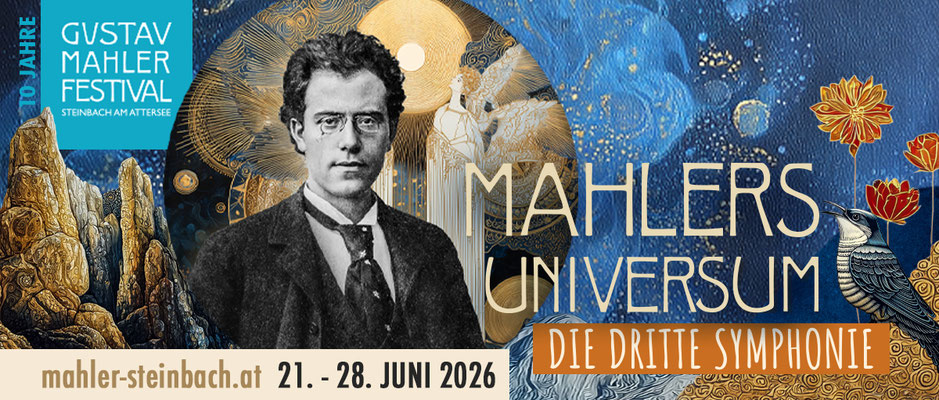
10th Gustav Mahler Festival from 21 to 28 June 2026
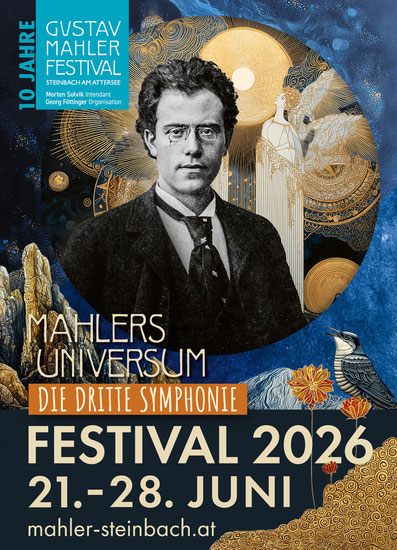
Mahler's Universe
The Third Symphony
|
Gustav Mahler once said: “A symphony must be like the world, it must contain everything.” His Third Symphony, composed in Steinbach am Attersee during the summer months of 1895 and 1896, undoubtedly fulfilled this task. After completing it, the composer wrote:
“And so my work forms a musical poem that encompasses all stages of development in gradual intensification. It begins with lifeless nature and rises to the love of God!”
To mark its 10th anniversary, the 2026 festival will dedicate an entire week to the composer and this extraordinary work. The program includes concerts, a themed hike based on the Third Symphony, a nighttime boat trip, nature experiences, a series of lectures, a film screening, exhibitions, guided tours, and panel discussions.
|
2026 Gustav Mahler Festival
from 21 to 28 June 2026 (in English and German)

1st movement: "Summer marches in"
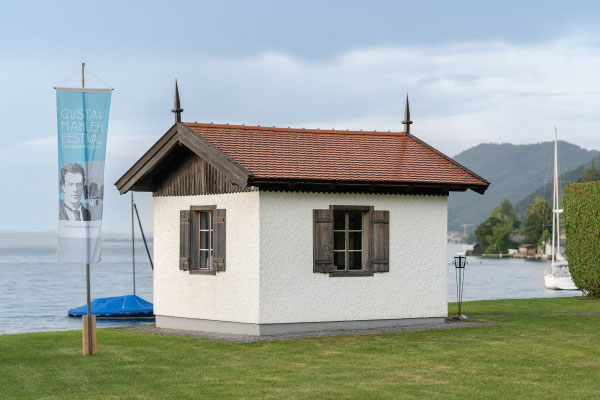
6 pm, Composing Hut
FESTIVE OPENING
10th Gustav Mahler Festival
Moderation: BGM a.D., Reg. Rat. Franz Kneissl
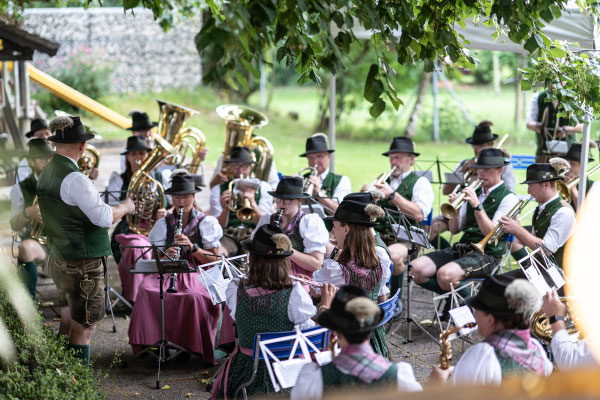
Musical frame: Trachtenmusikkapelle D´Schobastoana
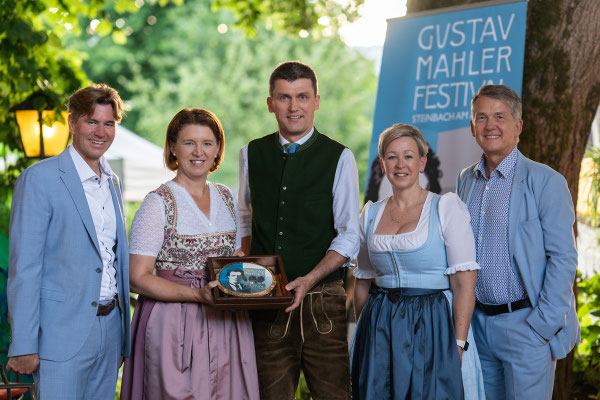
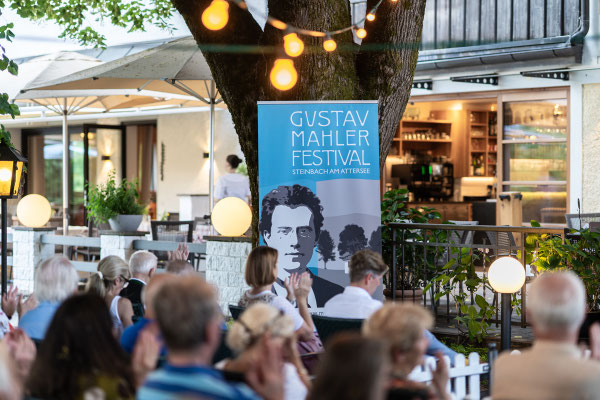
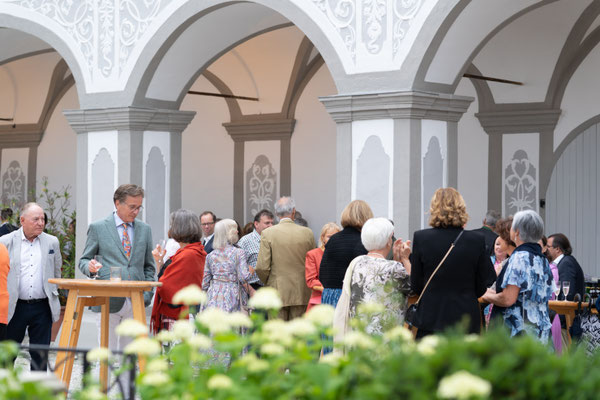
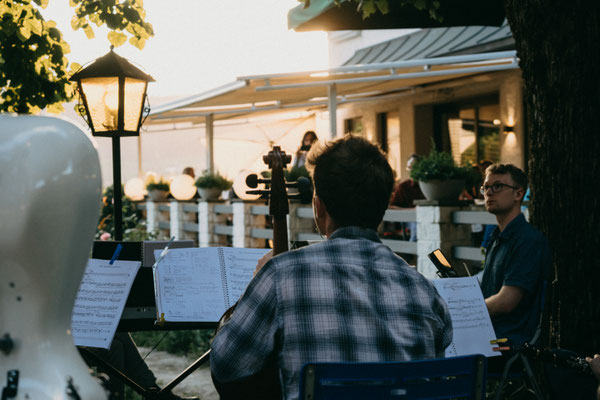
The 10th Gustav Mahler Festival Steinbach was officially opened on 21 June with a festive ceremony. Due to the summer heat, the opening event was held for the first time in the garden of the Föttinger family’s inn, providing a charming and atmospheric start to this anniversary edition of the festival.
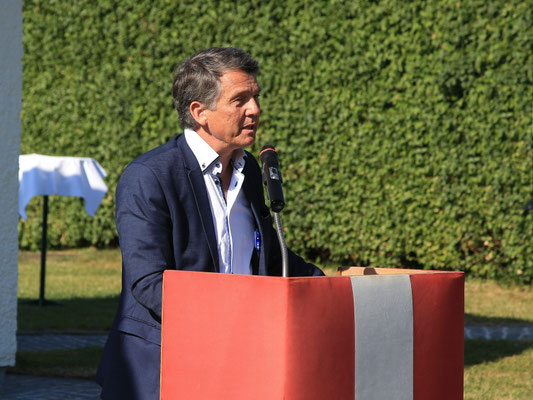
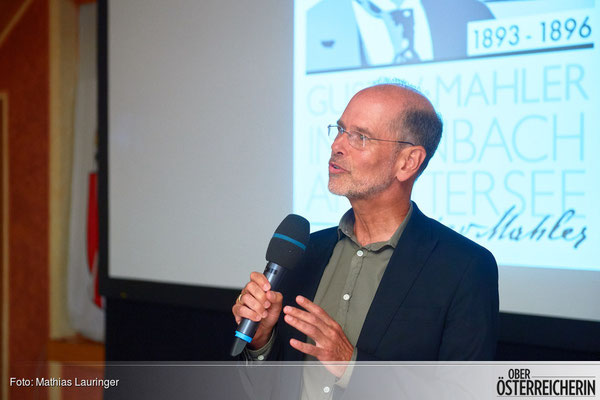
The festival was officially opened by Regional Minister Michaela Langer-Weninger. Among the distinguished guests were Stefan Brandlehner, Managing Director of the newly established Salzkammergut Tourism Association, as well as numerous representatives from the fields of culture, politics, and tourism. Particularly pleasing was the international attendance, with guests from several countries joining the celebrations. The evening was expertly hosted by former mayor Franz Kneissl, whose charm and deep knowledge have long made him a valued moderator of festival events. Welcoming remarks were delivered by Mayor Nicole Eder and Festival Director Morten Solvik, who highlighted the significance of this anniversary year and offered a preview of the festival programme ahead.
This year’s festival marks a double anniversary: ten years of the Gustav Mahler Festival Steinbach and 130 years since the composition of Gustav Mahler’s Symphony No. 3 at Lake Attersee. Until 28 June, visitors can enjoy a diverse programme of concerts, talks, exhibitions, and nature experiences. The successful opening once again demonstrated the festival’s international appeal and its importance as a cultural meeting place on the shores of Lake Attersee.
PHOTO GALLERY
All photographs from the Festive Opening can be found here: Photo Gallery.
Copyright Viktoria Hofauer Fotografie / Mahlerfestival

"Pan awakens"
11 am, Steinbach Community Center (EN/DE)
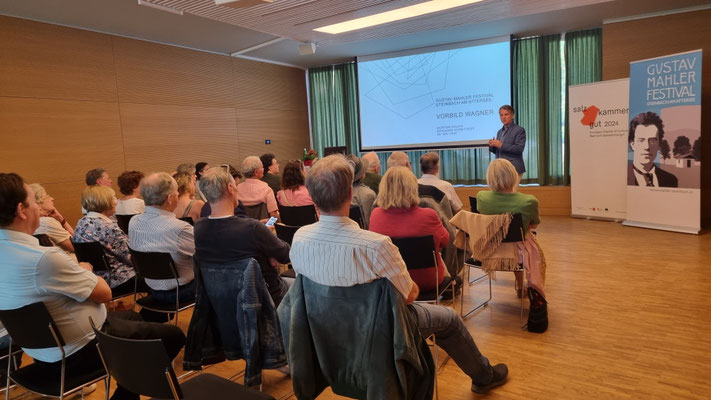
Presentation
"Mahler’s Third Symphony and the Universe in Sound"
Mahler Talk in English with illustrated quotations in German
Morten Solvik
Mahler wrote the Third Symphony in his little composing hut surrounded by the natural beauty of Steinbach am Attersee. The result of the inspired summers of 1895 and 1896 was a work that aspired to embrace all of existence, from the emergence of life out of inanimate matter to the universe‘s crowning glory in God’s love. What prompted Mahler to create this vast canopy of sound? We will take an inside look at this monumental symphony by listening to some musical examples and exploring the composer’s philosophy of art and existence.
7 pm, Hotel Föttinger Seefeld
Chamber Music with Song
"Brahms, Mahler and Zemlinsky"
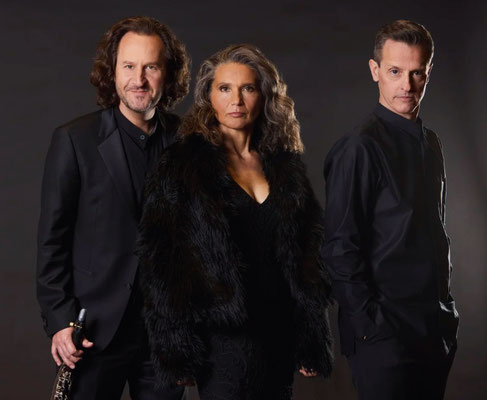
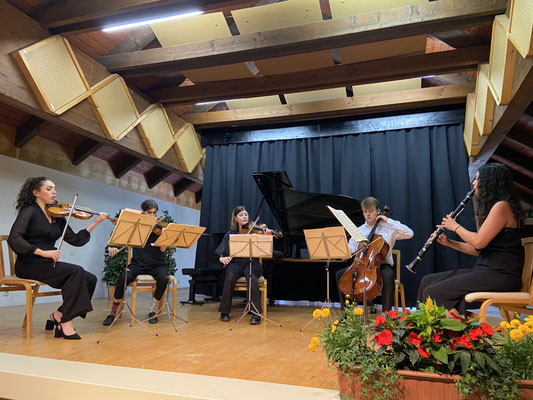
Ensemble Liaison (Australia)
David Griffiths, Clarinet
Svetlana Bogosavljevic, Cello
Timothy Young, Piano
Gloria Mojica, Mezzosoprano
Leonie Raß, Violin
Johannes Brahms, Zwei Gesänge, Op. 91 (1863/84)
(Arrangement for Voice, Clarinet, Cello and Piano)
“Gestillte Sehnsucht” (Friedrich Rückert)
“Geistliches Wiegenlied” (Emanuel Geibel nach Lope de Vega)
Johannes Brahms, Trio for Clarinet, Cello and PIano, Op.114 (1891)
1. Allegro
2. Adagio
3. Andantino grazioso
4. Allegro
–Intermission–
Alexander Zemlinsky, Trio for Clarinet, Cello and PIano, Op. 3 (1896)
1. Allegro ma non tropp
2. Andante
3. Allegro
Gustav Mahler, Rückert-Lieder (1901-02)
(Arrangement for Voice, Violin, Clarinet, Cello and Piano)
1. “Blicke mir nicht in die Lieder!”
2. “Ich atmet' einen linden Duft!”
3. “Ich bin der Welt abhanden gekommen”
4. “Um Mitternacht”
5. “Liebst du um Schönheit”
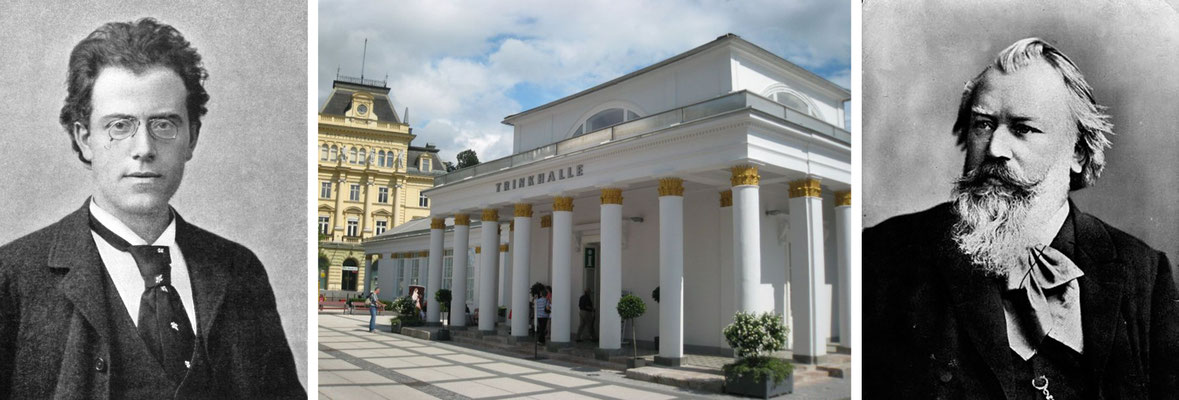
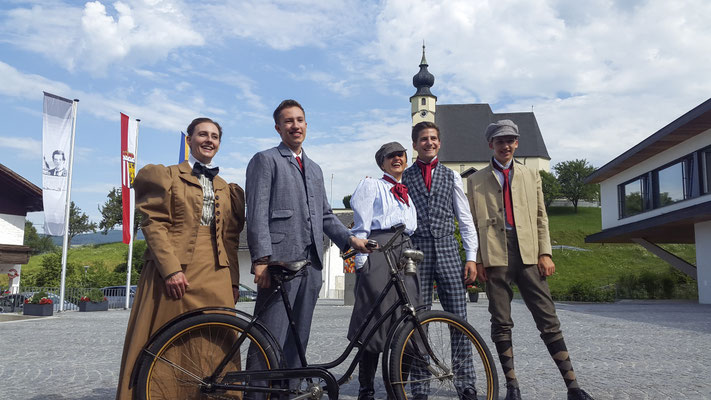
A crucial part of Mahler’s universe is occupied by the creative works of his contemporaries. Among the most important of these during his time in Steinbach am Attersee was certainly Johannes Brahms (1833-1897), who spent his summer months only a short distance away in the resort town of Bad Ischl. On occasion, Mahler journeyed there on bicycle to visit the aging master. Alexander Zemlinsky (1871–1942), like Mahler, was a conductor and composer. He wrote his Trio in the style of Brahms around the same time that Mahler was composing his Third Symphony.

"2nd movement: What the Flowers in the Meadow Tell Me"
"3rd movement: What the Animals in the Forest Tell Me"
13:15 am Haslbauer, Haslach Nr. 1, meeting point (DE/EN)
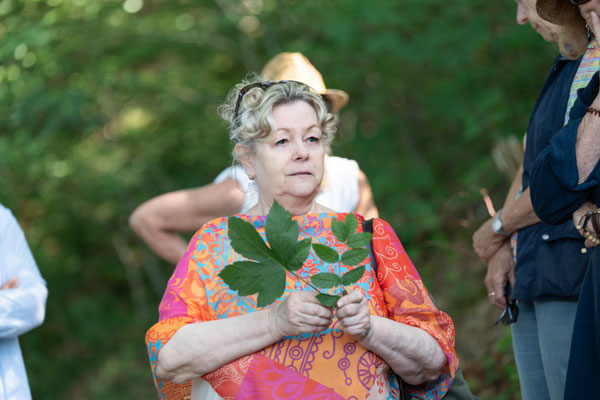
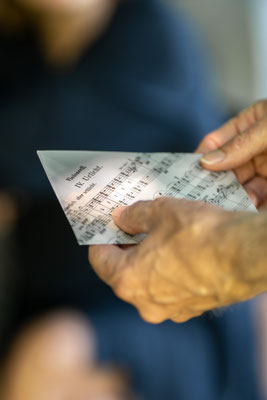
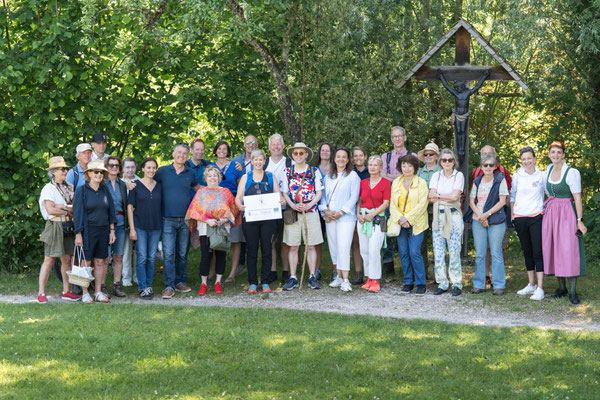
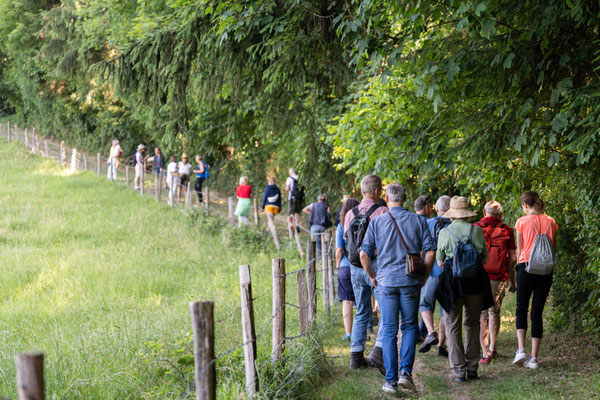
Nature Walk: Mahler's Third Symphony
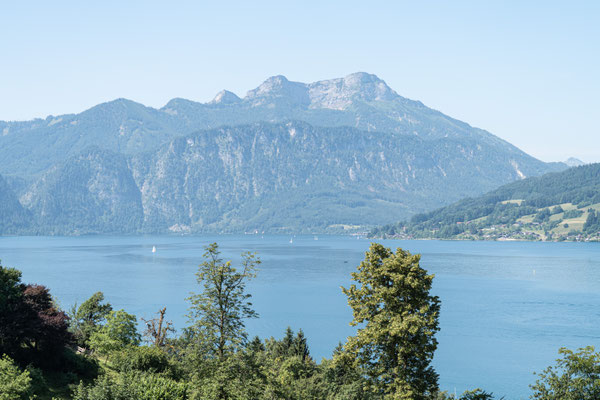
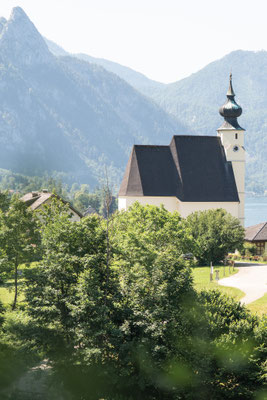
During the summer holidays of 1896, inspired by the natural beauty of the Attersee region, Gustav Mahler conceived his expansive musical interpretation of the world in the form of a monumental symphony in six movements, leading from the awakening of nature to its highest spiritual fulfillment.
On this specially curated nature walk, each of the symphony's movements has its own station on a hiking route that leads through the natural surroundings of Steinbach am Attersee.
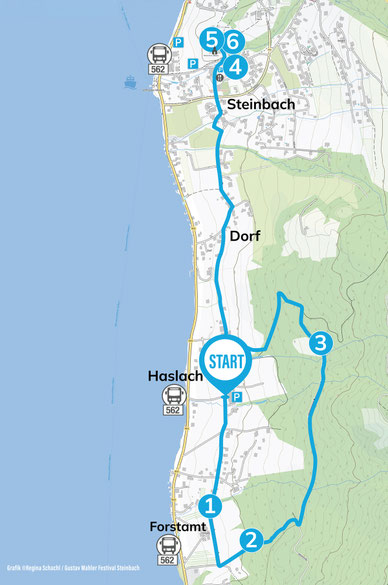
DETAILS
Guided Walk
Participants:
- Movement I: Angelika Dorfer
- Movement II: Sabine Pumberger
- Movement III: Martina Huemer
- Movements IV, V & VI: Franz Kneißl
Walking time: approx. 1.5 hours
Duration: until approx. 5:30 p.m.
Requirements: sturdy footwear, sun/rain protection, drinks and snacks.
The event will only take place in dry weather. Please note that seating is not available at all listening stations.
Our tip for participants:
Park your car in the village center and take bus 562 from the Steinbach/Schiffsanlegestelle stop at 1:07 p.m. to Steinbach/Haslach.
As the walk ends back in the village center, no return transfer is necessary.
Participation is at your own risk.

7 pm, Gustav Mahler Hall Seefeld
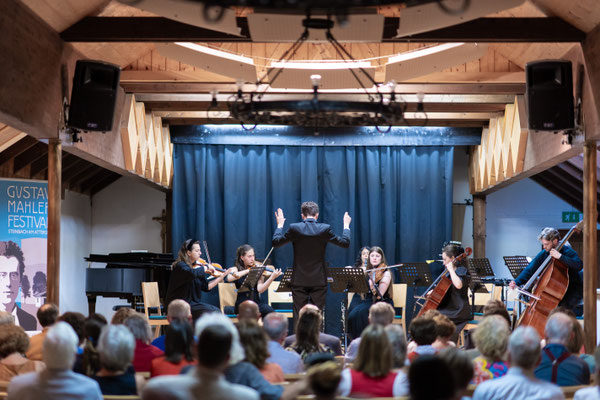
Chamber Orchestra Concert
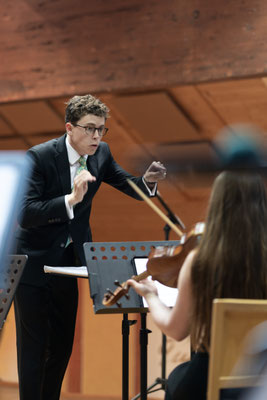
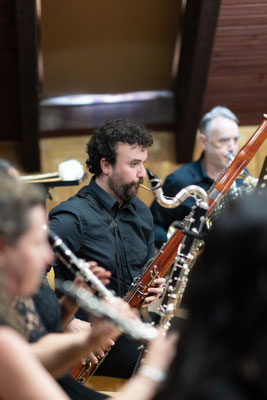
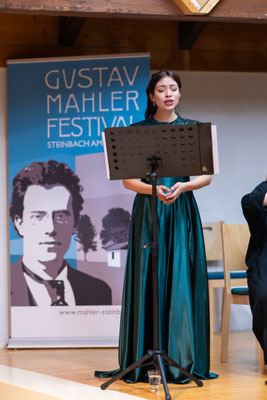
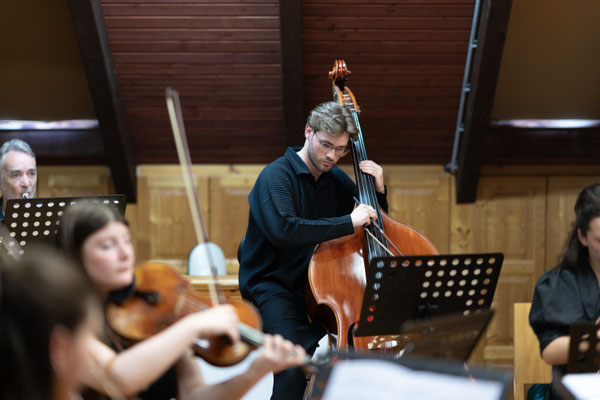
"What Nature Tells Me"
Orchestra for the Earth (UK)
John Warner, Conductor
Rory Green, Baritone
Gustav Mahler
“Im Lenz”
“Ich ging mit Lust durch einen grünen Wald”
“Ging heut Morgen übers Feld" (from Lieder eines fahrenden Gesellen)
“Hans und Grethe”
Scherzo from Symphony No. 1
“Ablösung im Sommer” (from Des Knaben Wunderhorn)
Scherzo from Symphony No. 3 (3rd movement)
Zhenyan Li (OFE Commissioned work on the topic of "Mahler and Nature")
Eat Your Rage
––– Intermission –––
Gustav Mahler
“Blumine” from Symphony Nr. 1 (first version)
“Der Abschied” from Das Lied von der Erde [The Song of the Earth]
Mahler believed nature held the key to the profundity of life. As he once summed it up: “One will be able to give me the title: ‘Singer of Nature,’” thus describing himself as an artist tapping into sacred life for inspiration and insight. Tellingly, the second and third movements of the Third Symphony are entitled “What the Flowers in the Meadow Tell Me” and “What the Animals in the Forest Tell Me” – a clear declaration by the composer of his close relationship with nature.

presented in memory and with the generous support of
Graham Avery, Generaldirektor honoris causa der Europäischen Kommission (*1943 +2026)

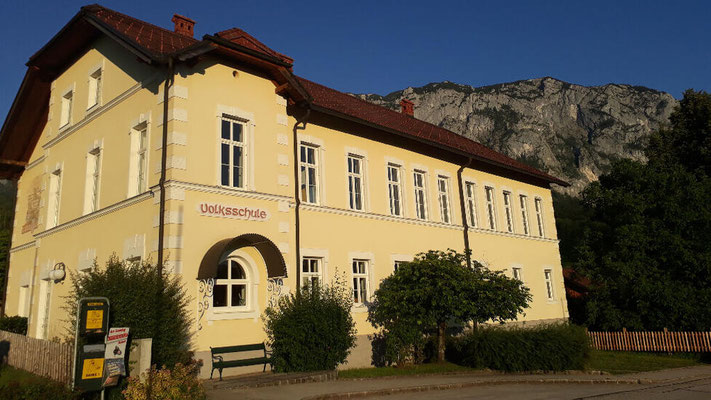
Morning, Nature Park School Steinbach am Attersee (DE)
Mahler's Sounds of Nature
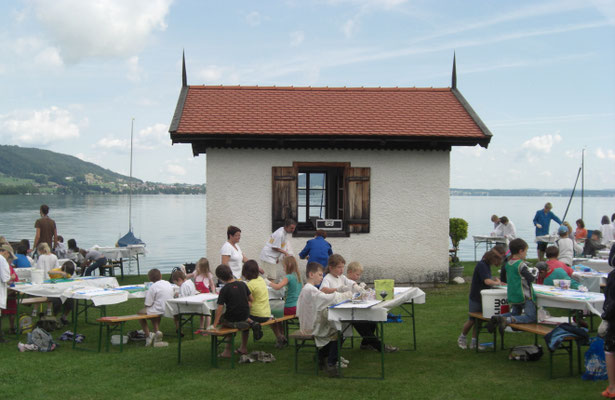
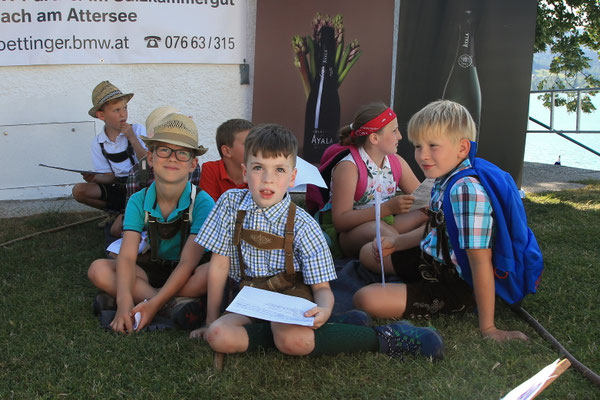
Children's program, Led by Angelika Dorfer
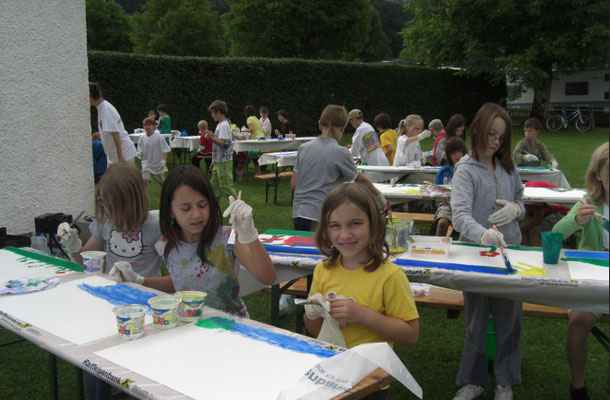
The third- and fourth-grade students at Steinbach am Attersee School will explore their surroundings with a focus on listening, getting to know the musicians and their instruments up close, and create their own small soundscapes, which they will present at the end in an informal showcase. A group tree-planting activity that combines music, creativity, and an appreciation for nature rounds out the project. In collaboration with the Orchestra for the Earth.
"4th movement: What Humanity Tells Me / What the Night Tells Me"
3 pm, Steinbach Community Center (DE)
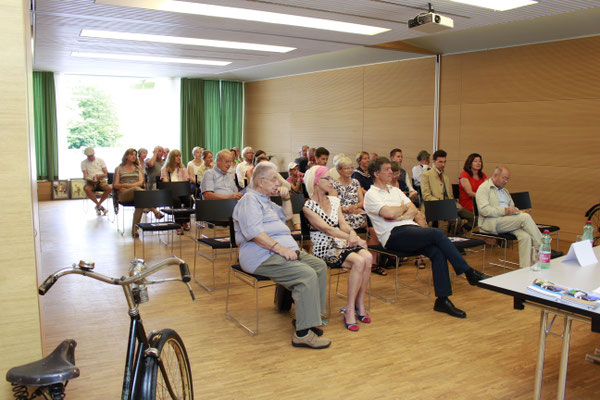
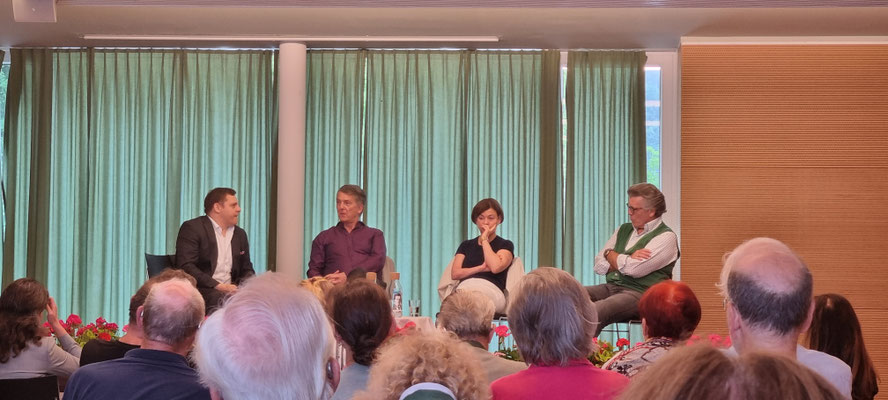
Discussion
"Mahler's Time / Our Time"
- Markus Poschner, Chief Conductor, Brucknerorchester Linz
- Johanna Doderer, Composer
- Dr. Christian Glanz, Director of the Research Center for Gustav Mahler and Viennese Modernism at mdw
Moderator: Dr. Karin Wagner, mdw
Mahler’s prophetic statement—“my time will come”—has long since become a reality. His works are at the heart of the classical repertoire in concert halls around the world. But what accounts for this enduring presence? How does Mahler—both the composer and the man—resonate with the issues of our time? Which aspects of his world remain relevant today? And what can we still learn from them?
8 pm, Steinbach Pier I Special event – separate booking required (DE/EN)
Culinary boat cruise
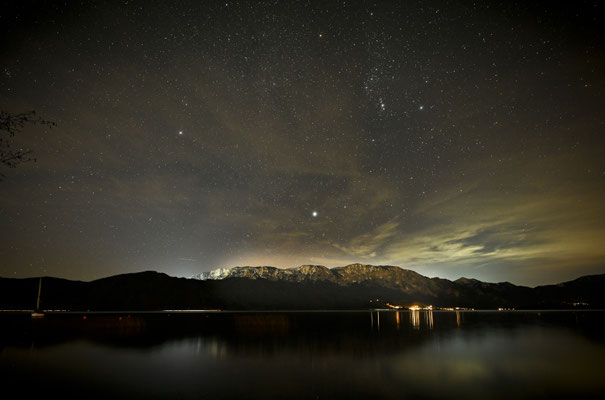
"What the Night Tells Me"
Event partner: Attersee Schifffahrt
This event is not included in the festival pass. Tickets are available separately www.atterseeschifffahrt.at
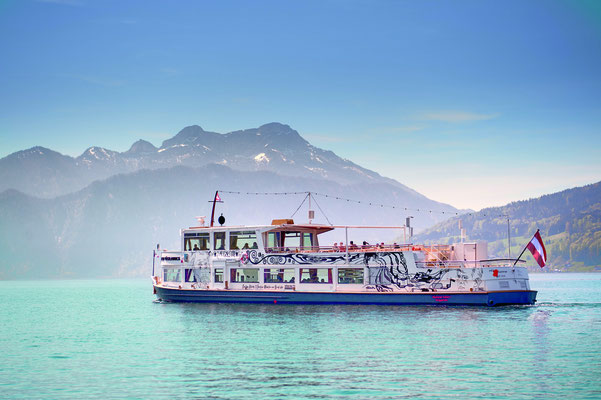
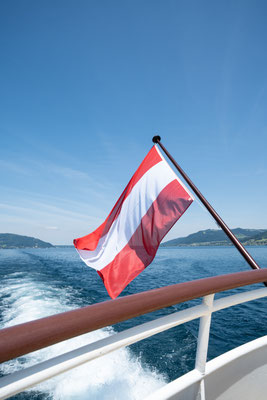
The 4th Floating Artists’ Salon, held as part of the Gustav Mahler Festival, invites you to an extraordinary evening cruise aboard the Klimt–Mahler Ship. The event’s theme, “What the Night Tells Me” by Gustav Mahler, will be interpreted through music and fine dining.
Artists, music lovers and connoisseurs alike can look forward to an inspiring evening where the twilight and nighttime atmosphere of Lake Attersee blends seamlessly with Mahler’s compositions and culinary delights.
Programme Details
Date: Wednesday, 24 June 2026
Departure: 8:00 pm, Steinbach pier (boarding from 7:50 pm)
Duration: approx. 2.5 hours
Culinary package: Boat trip, 3-course Bachtaverne menu including “mahleresque” program
Price: € 99.00 per person
Booking: www.atterseeschifffahrt.at
This event is not included in the festival pass and can only be booked separately.

"5th movement: What the Angels Tell Me"
"Mahler and Klimt at Attersee"
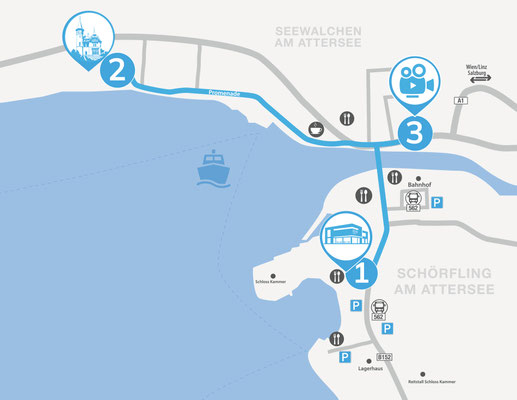
A cultural summer retreat day in Schörfling and Seewalchen
3 events, 1 ticket
Info: The guided tours can only be booked together with the movie ticket as a combination ticket.
With an attractive combination ticket, the festival invites visitors to enjoy an extraordinary cultural day trip to Lake Attersee: two guided art and cultural events and an evening film screening combine the worlds of Gustav Klimt and Gustav Mahler into a harmonious overall experience. There is plenty of time for a relaxed lunch between the program items – the surrounding area offers a wide range of culinary options.
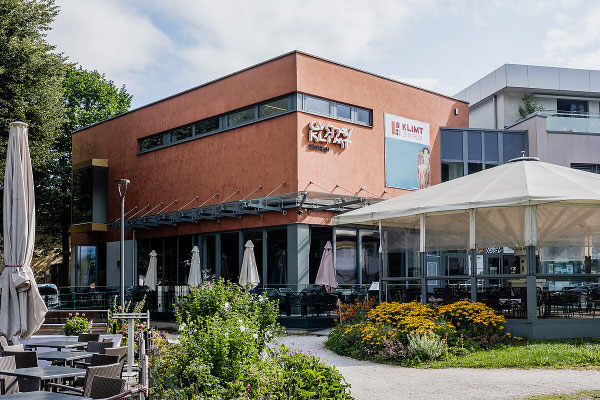
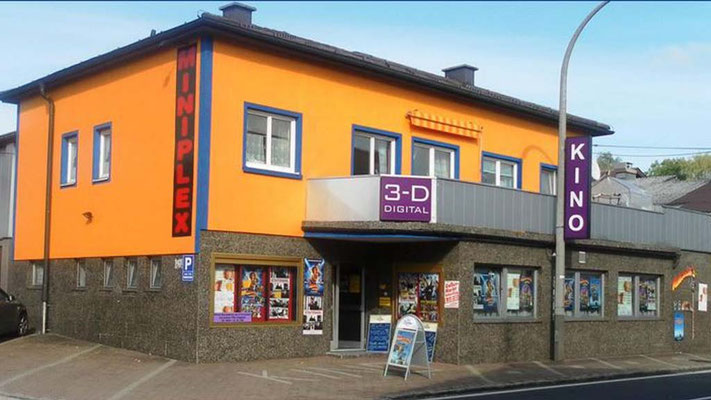
The day begins at the Klimt Center in Schörfling with a guided tour on the inspiring role of nature for Klimt and Mahler, continues to Villa Paulick, a key location of the Attersee summer resort around 1900 that is rarely open to the public, and ends in the afternoon at the Miniplex Kino Seewalchen cinema with the internationally acclaimed documentary “What the Universe Tells Me” about Mahler's Third Symphony – including a discussion with the filmmaker, Jason Starr.
For anyone who wants to experience art history, music, and landscape in a relaxed, inspiring setting in one of the most beautiful places in the Salzkammergut.
11 am, Klimt Zentrum Schörfling (DE/EN)
Guided Tour
"Klimt, Mahler and Art from Nature"
Mag. Evelyn Obermaier, Chair of the Klimt Association Attersee
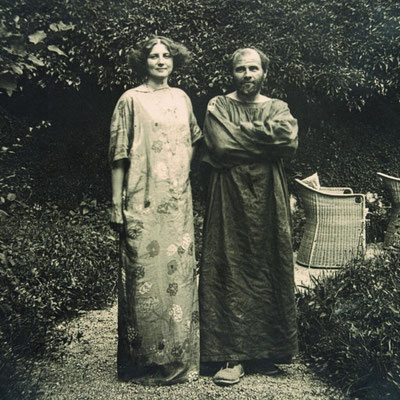
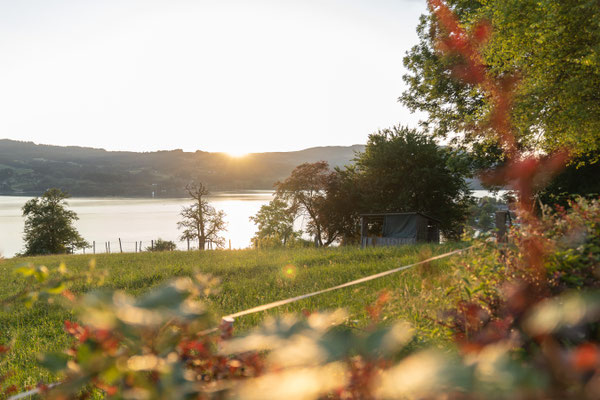
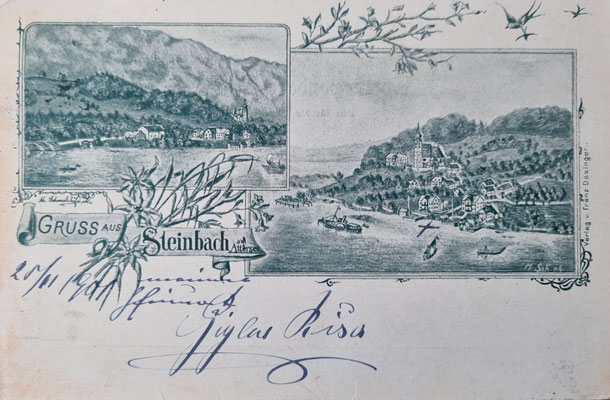
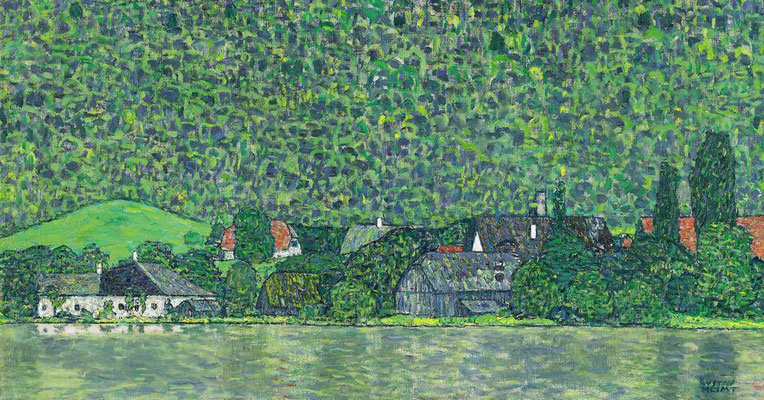
It is not just an accident of history that, within little more than a decade, two of Austria’s greatest creative geniuses found inspiration for some of their most important work on the shores of Lake Attersee. Summer tourism was growing and city dwellers increasingly sought the fresh air and beauty of the countryside a comfortable distance from the capital. This talk will explore how Mahler and Klimt found their way here and how nature played a vital role in the work they created while on working holiday.
2 pm, Villa Paulick, Seewalchen (DE/EN)
Historic Place
Klimt at Lake Attersee
Guided Tour: Mag. Evelyn Obermaier, Chair of the Klimt Association Attersee
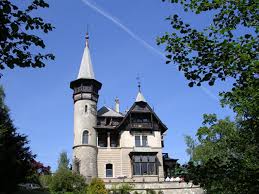
Built in 1877 by Imperial and Royal master cabinetmaker Friedrich Paulick, the villa features a unique, meticulously crafted interior. The salon, preserved in its original state, was part of the Imperial Pavilion at the 1873 Vienna World’s Fair. The house became a gathering place for artists, particularly after the marriage of the builder’s daughter, Therese Paulick, to Hermann Flöge, the brother of the famous Flöge sisters. Gustav Klimt spent nearly every summer at Lake Attersee from 1900 to 1916 and was a frequent guest at Villa Paulick. The house is privately owned and not open to the public!
5 pm, Miniplex Kino, Seewalchen (EN/DE)
Film Screening
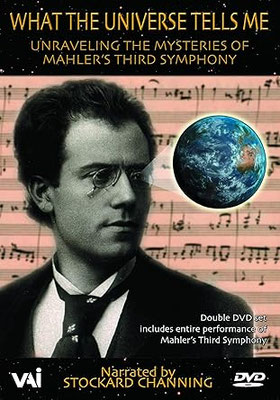
"What the Universe Tells Me: Unraveling the Mysteries of Mahler's Third Symphony"
In English with German subtitles
followed by an interview with filmmaker Jason Starr
Music, philosophy, and dramatic images combine to create an all-encompassing experience in this in-depth exploration of Gustav Mahler’s stirring and questioning Third Symphony: How did we get here? What is our life’s purpose? Does God exist? Why do people suffer?
Engaging these questions, Mahler’s Third is one of the largest and most ambitious symphonies ever composed. The emotional charge of this work steadily mounts, from the chaos of creation in the first movement, to “the summit, the highest level from which the world can be surveyed” in the last. It involves the audience in the drama of emerging consciousness, as it unfolds and develops from the world of rocks, plants, and animals “through all the stages of evolution, step by step,” to its ultimate flowering in humankind’s capacity for love.
From the volcanoes of the South Pacific to the Alpine peaks and meadows where Mahler composed, dramatic images from the natural world give shape to the Third Symphony’s evolutionary saga.
Narrated by Oscar nominee and Emmy Award winner Stockard Channing.

6th movement: "What Love / God Tells Me", [7th movement: "What the Child Tells Me"]
11 am, Steinbach Community Center (EN/DE)
Mahler Talk
"Mahler and Religion"
Mahler Talk in English with illustrated quotations in German
Morten Solvik
Gustav Mahler’s works speak to the presence of an individual in search of finding answers to life’s great questions. Born into a Jewish family, christened in the Catholic faith as an adult, and a lifelong reader of literature inspired by Buddhism, the composer encountered religious thinking in many forms. But Mahler‘s pursuit was not founded on any orthodox convictions; rather, his deeply spiritual perspective as a creator rested on a faith in the artist and especially music's role in providing the most profound insight into the nature of existence.
7 pm, Hotel Föttinger Seefeld
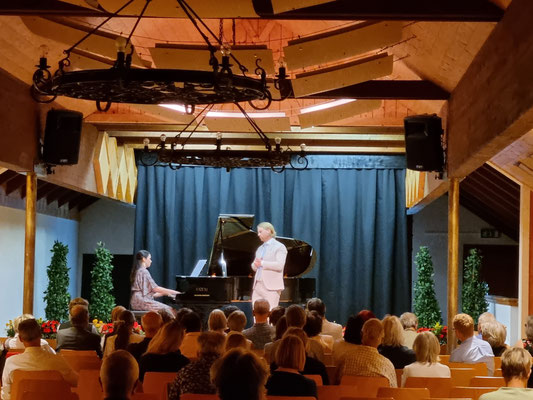
Song Recital
"What the Child Tells Me"
Miriam Kutrowatz, Soprano
Eduard Kutrowatz, Piano
Gustav Mahler: Lieder from Des Knaben Wunderhorn
Samuel Barber: Knoxville: Summer of 1915, Op. 24
Franz Schubert: Mignon Lieder (Selections)
Eduard Kutrowatz: Shakespeare-Fragmente world premiere (2026)
When Mahler wrote his Third Symphony, he drew up a programmatic plan for the titles and characters of the movements. For a long time, he wanted to use his song Das himmlische Leben (The Heavenly Life), written in 1892, as the finale. In this plan for the work, the title of the movement was “Was mir das Kind erzählt” (“What the Child Tells Me).” This recital is dedicated to this original idea and ends, naturally, with the song of the same name.


11 am, Steinbach Community Center (EN)
Discussion
"Mahler in New York"
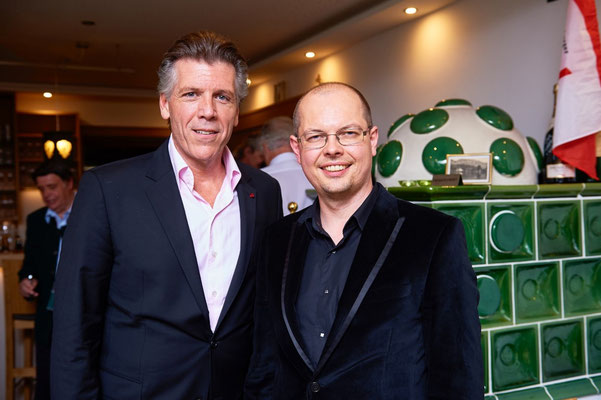
Thomas Hampson, Joseph Horowitz
Moderator: Morten Solvik
in English
After the death of his eldest daughter and the diagnosis of a heart ailment in the summer of 1907, Mahler’s life took a decisive turn. Rather than retreat into a more protected life, Mahler resigned from his job as Director of the Vienna Court Opera and took up an offer to conduct at the Metropolitan Opera and later at the New York Philharmonic. Heading off to the New World with his wife and daughter to launch into another strenuous concert schedule while confronting a new language and an entirely different culture of the arts was a daring venture, one fraught with inevitable misunderstandings and miscalculations. Thomas Hampson and Joseph Horowitz, two veteran observers of both Mahler and the New York art scene, will explore this crucial chapter of Mahler’s life and works.
7 pm Gustav Mahler Hall Seefeld
Concert
"Trivial Mahler?"
Die Wiener Theatermusiker [The Vienna Theater Musicians]
Tscho Theissing, Concept, Musical direction und Viola
Gerald Preinfalk, Clarinet and Saxophone
Lorenz Raab, Trumpet and Flügelhorn
Bettina Gradinger, Violin
Natalija Isaković, Violin
Ernst Weissensteiner, Contrabass
Maria Reiter, Accordion
What kind of folk music and light entertainment music could Gustav Mahler have heard in his day? What folk songs, polkas, marches, waltzes, and operettas? How did this influence him? And how do today’s musicians respond to this music?
Based on these questions, the renowned musician and arranger Tscho Theissing presents an entertaining evening with his Vienna Theater Musicians, featuring an accordionist from Bavaria, two Upper Austrian masters of everything from brass band music to jazz, and the finest Viennese string sounds from the Volksoper and the Vienna Symphony Orchestra.


6 pm, Steinbach Halle Seefeld
Orchestra Concert
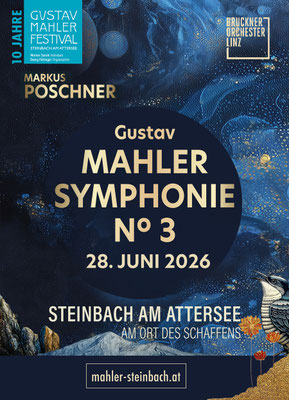
Mahler's Third Symphony
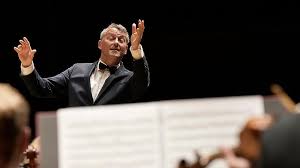
Markus Poschner, Conductor
Wiebke Lehmkuhl, Alto soloist
Women of the Hard-Chor Linz (Director: Alexander Koller)
Women of the Linzer Jeunesse Chor (Director: Wolfgang Mayrhofer)
Boys of the Children's Choir of Landestheater Linz (Director: Elena Pierini)
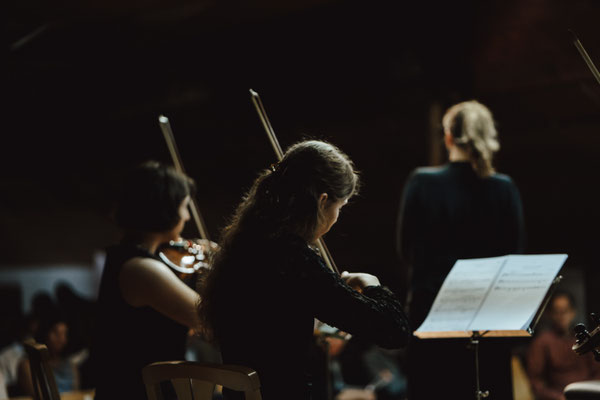
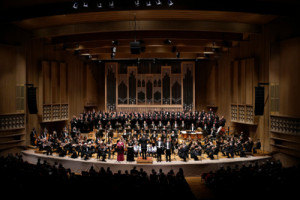
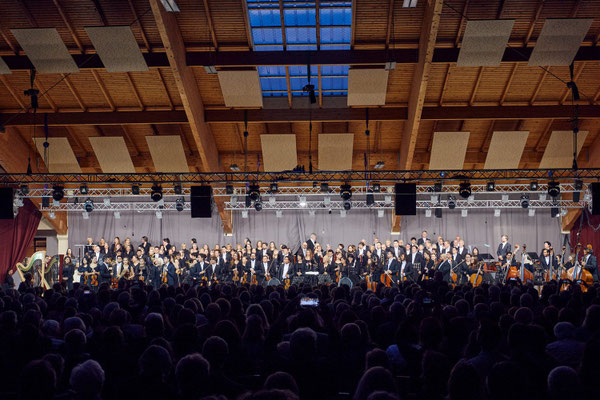
Gustav Mahler’s Symphony No. 3 is a musical journey through the stages of existence—from the awakening of life to its crowning glory in love. The Bruckner Orchestra Linz, under the baton of its principal conductor Markus Poschner, presents this monumental work just a few meters from where the work was composed.
Concert Update: Mahler Symphony No. 3
Sunday, 28 June 2026 // 6:00 PM
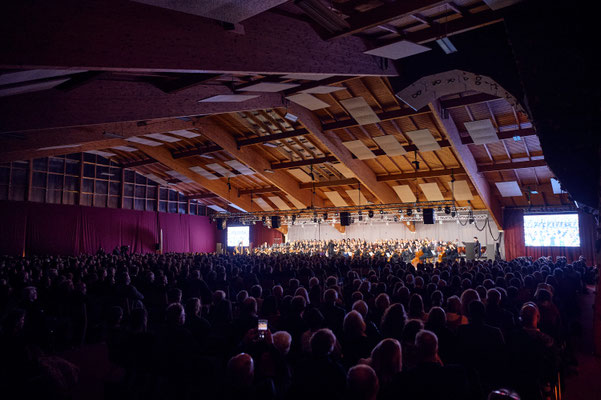
STEINBACH HALL WILL BE AIR-CONDITIONED
The weather forecast promises a hot summer's day.
To ensure you can enjoy your concert visit in comfort, our organising team has taken a number of precautionary measures. We are pleased to inform you that Steinbach Hall will be air-conditioned, allowing you to experience the concert in a pleasant and comfortable atmosphere.
In addition, first aid services will be available on site throughout the event.
The local associations of Steinbach will also be offering refreshments at the concert venue to help you stay cool and enjoy the evening.
>> Important Information for Concert Visitors: Digital Introduction to Mahler's Third Symphony <<
Due to scheduling overlaps with the orchestra’s final preparations, the introductory talk on Mahler’s Third Symphony originally planned before the concert cannot take place as scheduled.
As a special service, we are pleased to offer an exclusive digital introduction by renowned musicologist and Festival Director Dr. Morten Solvik. In this presentation, he explores the background, significance, and fascinating context of Gustav Mahler’s Third Symphony.
Thank you for your understanding. We look forward to sharing a memorable concert evening with you at the Gustav Mahler Festival.
Prepare for the concert at your own convenience and gain deeper insights into this extraordinary work:
Gustav Mahler and the Village of Steinbach am Attersee
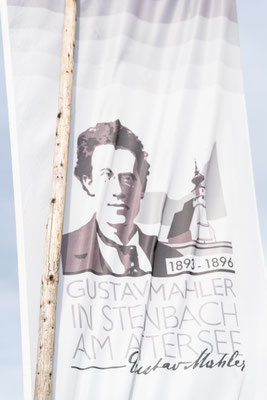
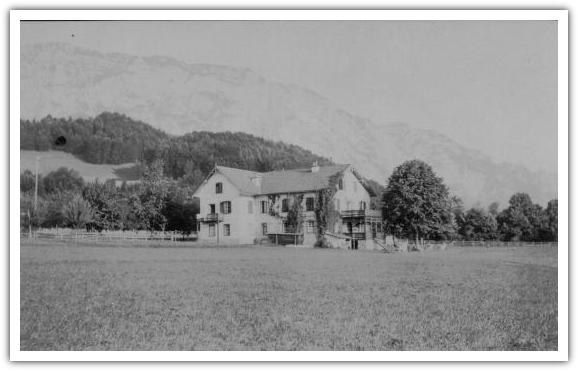
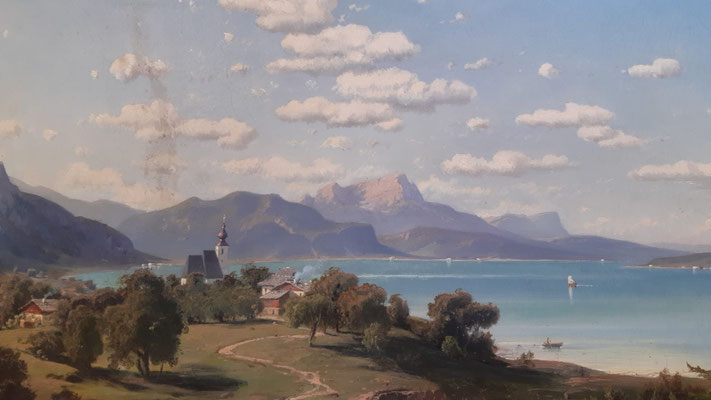
Gustav Mahler loved vacationing at Lake Attersee and resided in the summer months from 1893 to 1896 at the Gasthof zum Höllengebirge in the village of Steinbach am Attersee.
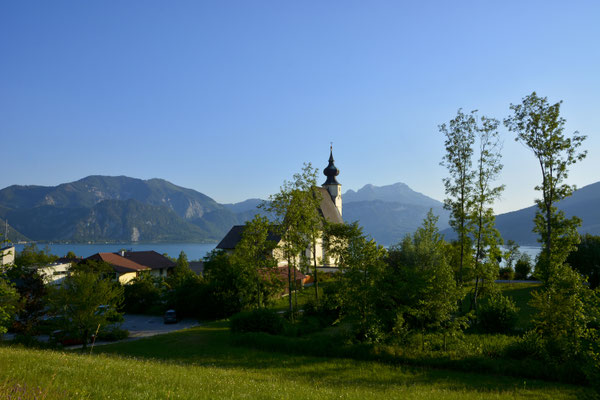
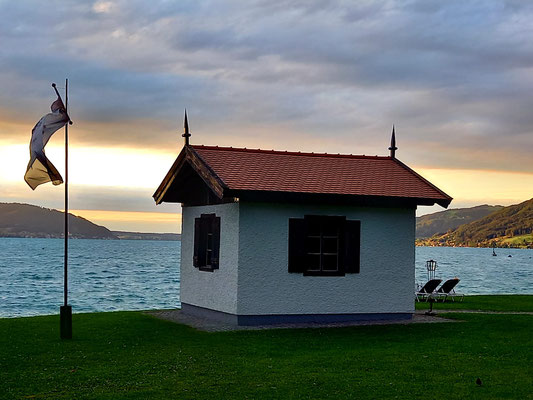
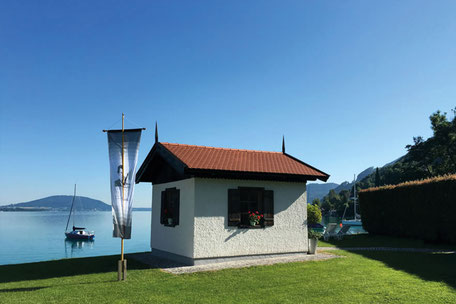
The stunning area worked wonders on Mahler's creativity: over the course of four summers he completed the Second Symphony, a half dozen songs, and the entire Third Symphony in his specially built composing hut.
Gustav Mahler Festival Steinbach
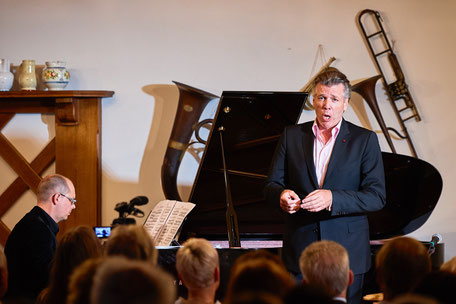
The Gustav Mahler Festival in Steinbach am Attersee is a multi-day celebration that usually takes place around the composer's birthday on July 7th.
Musical gems as well as cultural and historical insights into the area around this historic place are presented every year.
The program deliberately offers enough time for everyone involved to exchange ideas and enjoy the unique natural setting in order to be able to celebrate Mahler's inspiration in all its facets.
Visiting Gustav Mahler's composing hut
A place with a magical atmosphere
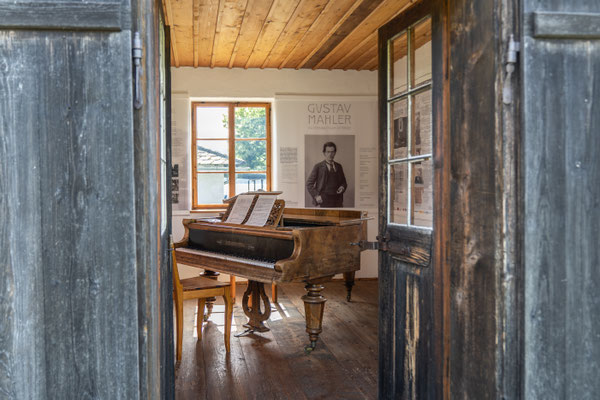
Important works by Gustav Mahler were composed in this small hut on the lake shore of Hotel Föttinger. In 1985, the composing hut was renovated true to its original form by the International Gustav Mahler Society and the Föttinger family, and in 2016 the permanent exhibition was renewed with scholarly and creative support from the International Gustav Mahler Society. Inside you will also find the annual special exhibit of the Steinbach Gustav Mahler Festival. More about the composing hut...
The Trilogy of Gustav Mahler Composing Huts
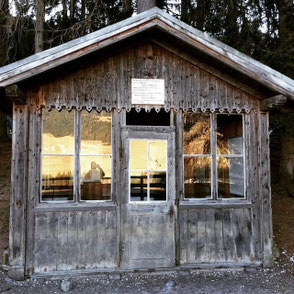
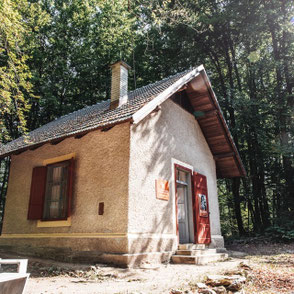
Maiernigg
1900-1907
Completion of 4th, 5th-8th Symphony
Rückert Songs
Songs on the Death of Children
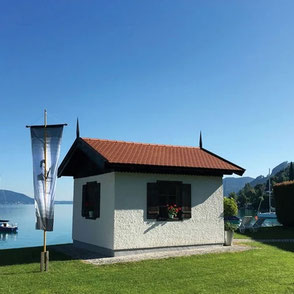
Steinbach
1893-1896
Completion of 2nd Symphony
3rd Symphony
Numerous Wunderhorn Songs
Your Festival Visit
Thank you for your visit in 2026!
Subscribe to the Newsletter
With our newsletter you will receive current information about our festival program.